



By Editorial Team
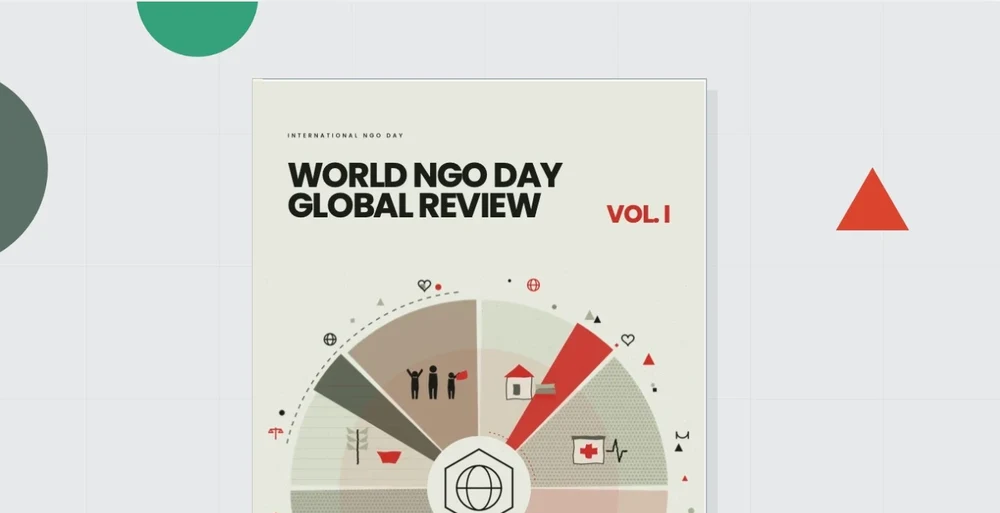
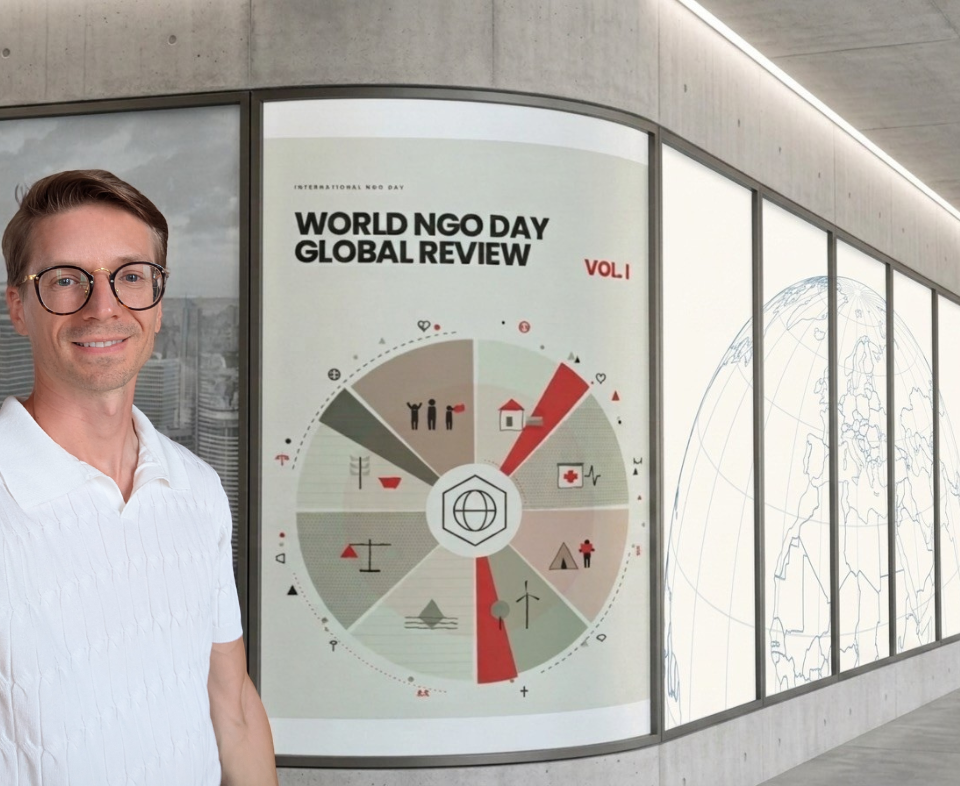
The first World NGO Day Global Review documents the Day’s development, official recognition, and reach across 140+ countries and 90+ languages. The publication highlights key national legislation, European Union recognition, and more than US$68 million in nonprofit funding announced in 2026, alongside detailed maps, historical timelines, and institutional perspectives.
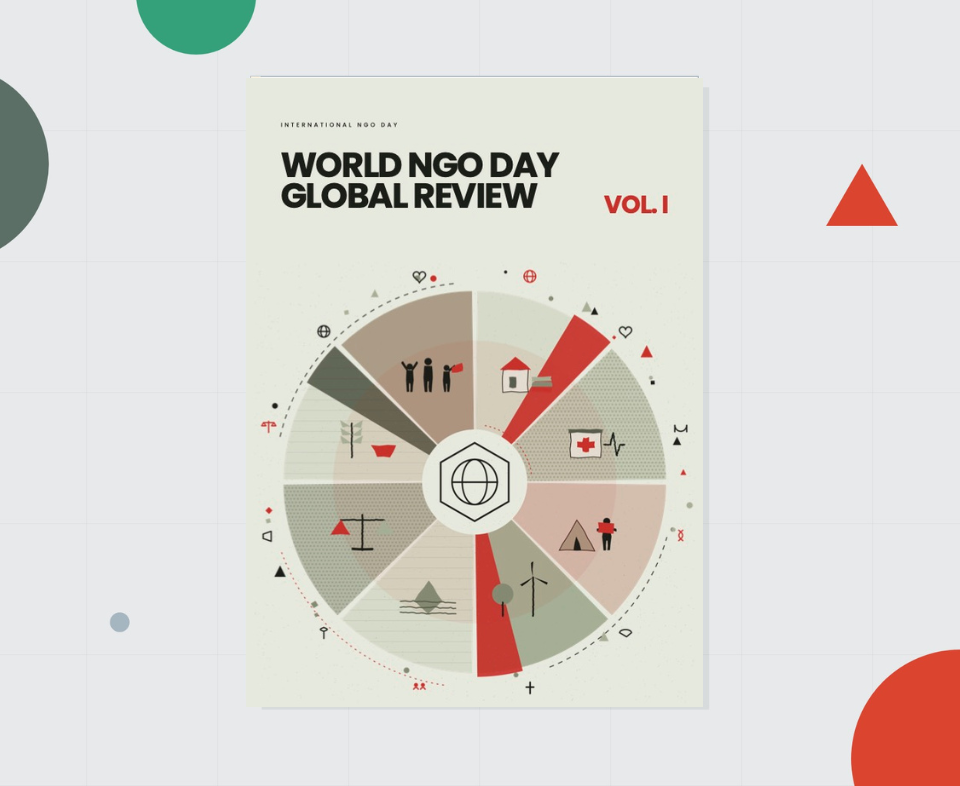
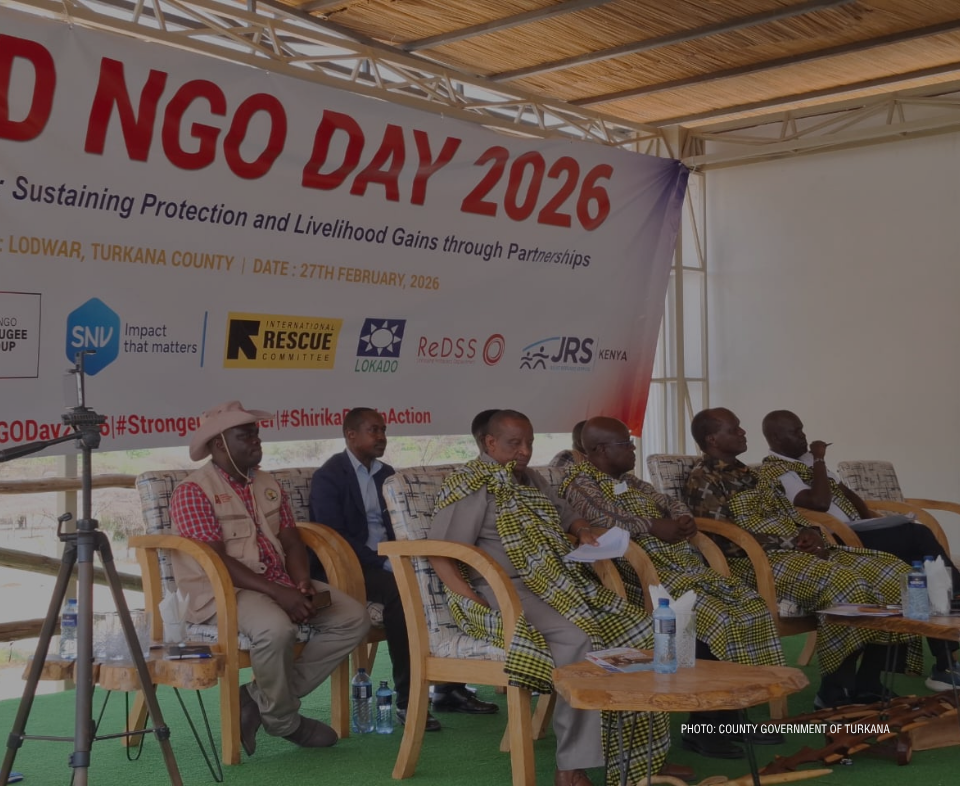
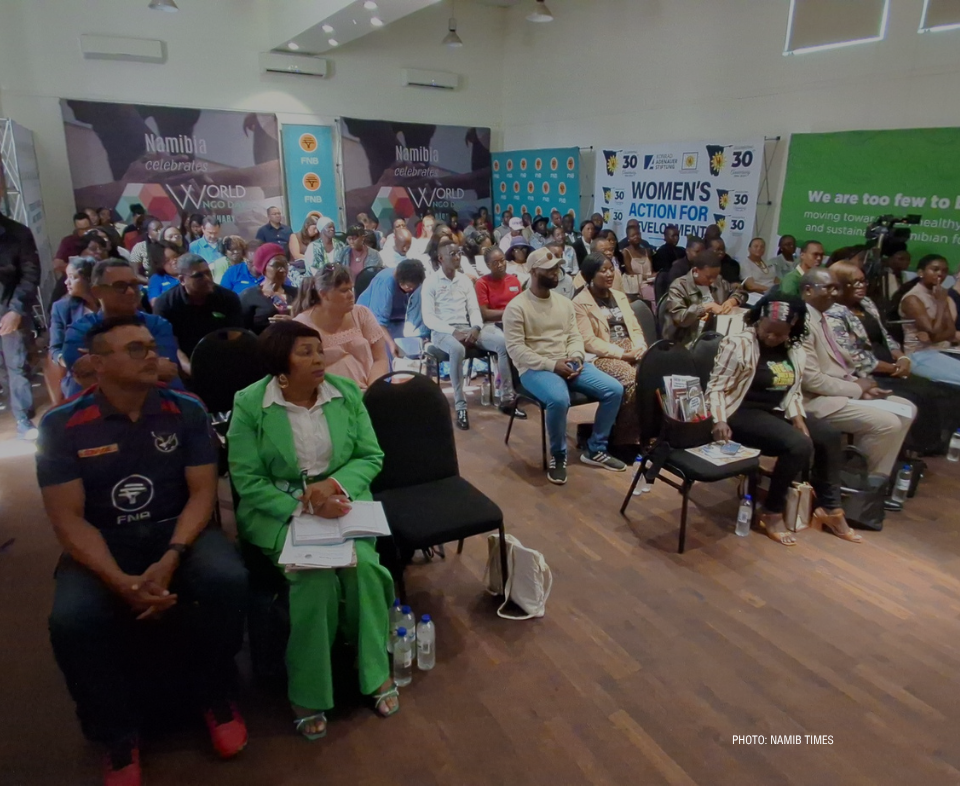
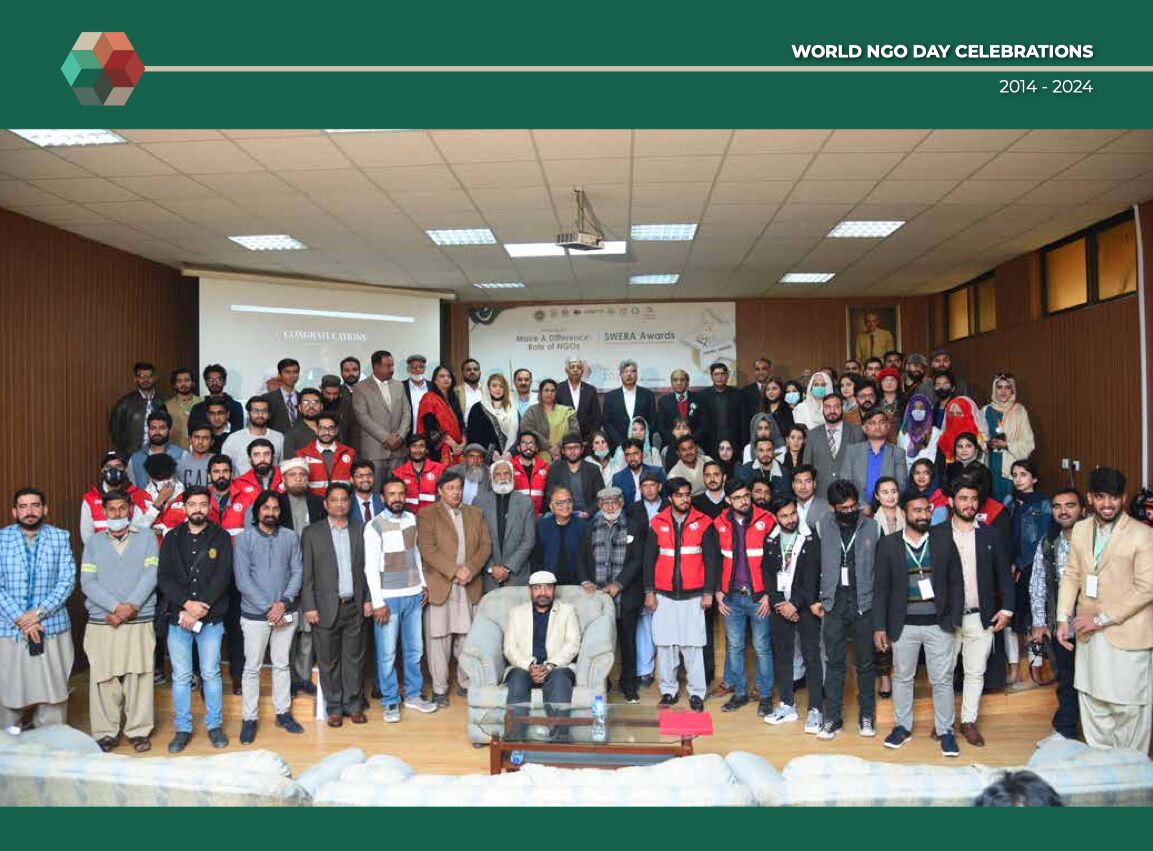
World NGO Day has published the first edition of the World NGO Day Global Review, a comprehensive publication documenting how February 27 has evolved from a proposal for greater recognition of civil society into an international observance marked across more than 140 countries and carried in more than 90 languages and writing systems.
The inaugural Review examines the history, recognition and observance of World NGO Day from 2009 through 2026, drawing on thousands of governmental, institutional, media and archival sources. It documents participation by governments, parliaments, international institutions, municipalities, universities, NGO networks and civil society organizations across six continents.
From an Idea to a Global Record
“When I first proposed the idea for World NGO Day, my vision was simple: to create a dedicated day honoring the people behind civil society,” said Marcis Skadmanis, Founder of World NGO Day.
“More than a decade ago, it was difficult to imagine where this idea could lead. What began as a vision has now been documented across more than 140 countries and more than 90 languages. The Global Review allows us to see this journey not simply as a story, but as a record.”
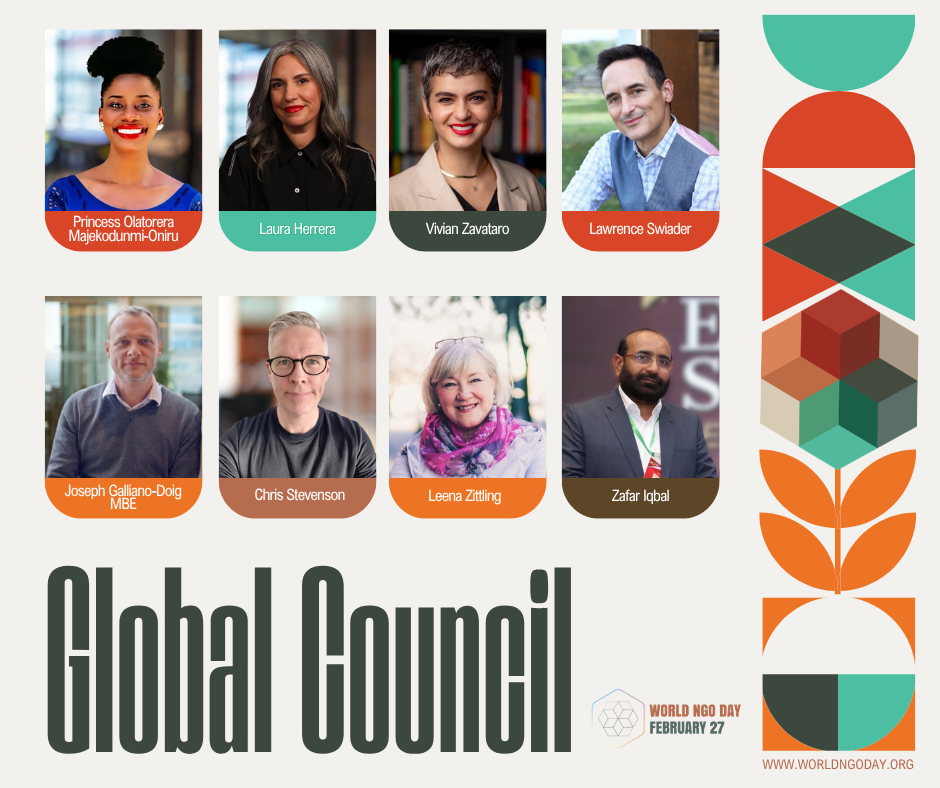
Skadmanis added: “The first global celebration in Helsinki in 2014 was only the beginning. Since then, governments, institutions, civil society leaders, NGOs and communities around the world have continued to give February 27 meaning in their own countries and in their own languages. I am deeply grateful to the World NGO Day Global Council Executive Advisors and everyone who contributed their knowledge and perspective while this first Review was being prepared.”
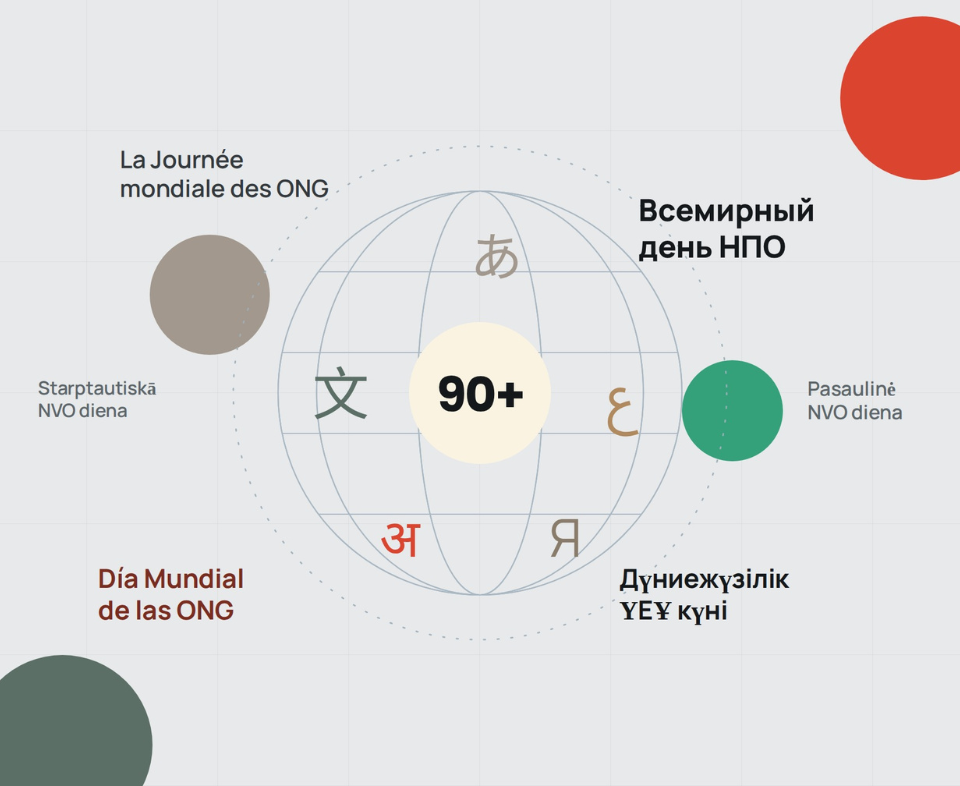
The Review’s evidence shows that World NGO Day has developed across different communities, countries and institutional settings rather than through a single language or centralized international body. The Day has acquired local names in more than 90 languages and scripts, from European languages using the Latin alphabet to Arabic and Cyrillic writing systems. Its identity has remained recognizable while adapting to different linguistic and cultural environments.
Two European Countries Have Written World NGO Day Into Law
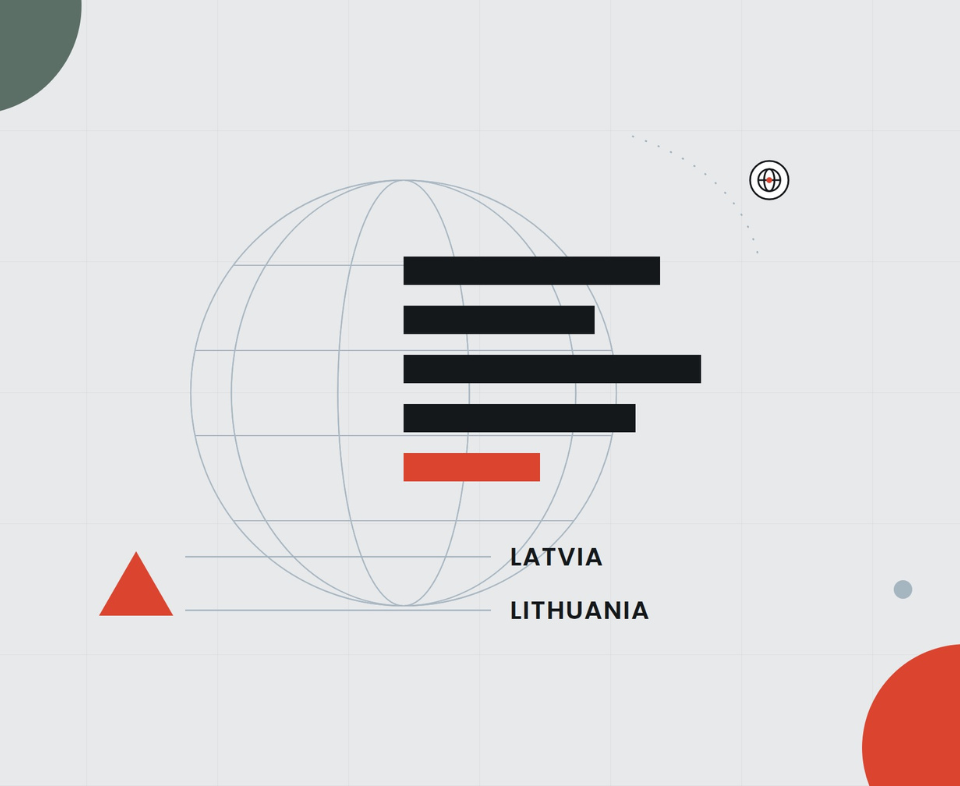
Among the Review’s most significant findings is the formal incorporation of February 27 into national law by Lithuania and Latvia, making them the first two countries in the European Union documented to have done so.
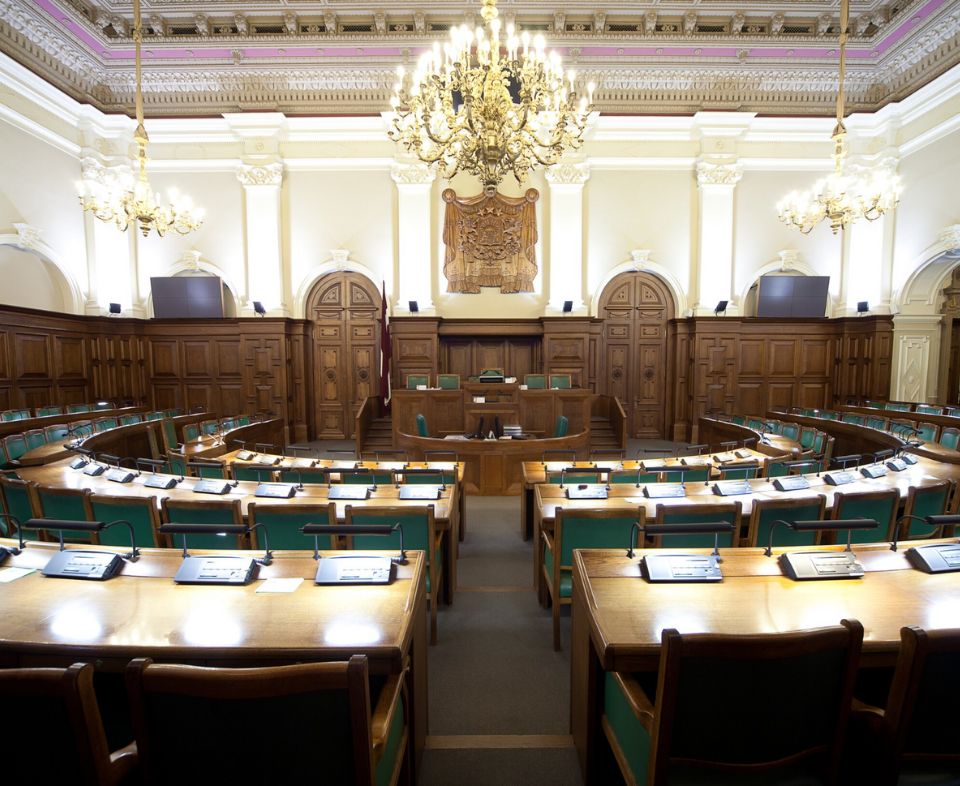
Lithuania’s Seimas added Pasaulinė NVO diena to the country’s Law on Memorable Days on June 8, 2023, with 94 votes in favor, one against and 10 abstentions. Latvia followed on February 27, 2025, when the Saeima formally included World NGO Day in its national legislation on public holidays, commemoration days and celebration days.
For Latvia, the decision carries particular historical significance. The initiative was born in Latvia in 2009 and was subsequently advanced internationally, including through advocacy from the United Kingdom. The country’s later legislative recognition marked a significant return of the idea to its place of origin.
Dr. Zanda Kalniņa-Lukaševica, Deputy Speaker of the Saeima of the Republic of Latvia, wrote in the Review that placing World NGO Day in the national calendar is “one more stage on the way to more resilient communities, a more active civil society, a stronger Latvia and a safer Europe.”
A Decade of European Union Recognition
The Review also documents ten consecutive years of European Union institutional recognition. The European External Action Service issued its first statement marking World NGO Day in 2017 and has continued the practice through 2026, with senior EU leadership and Commissioners also publicly recognizing the Day.
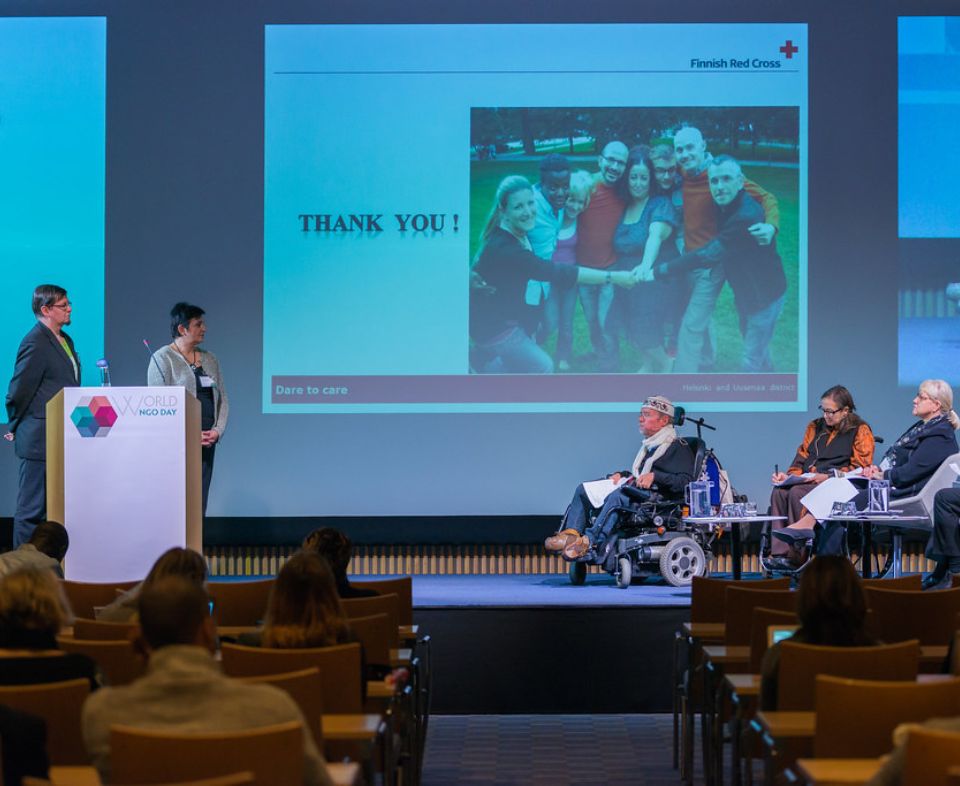
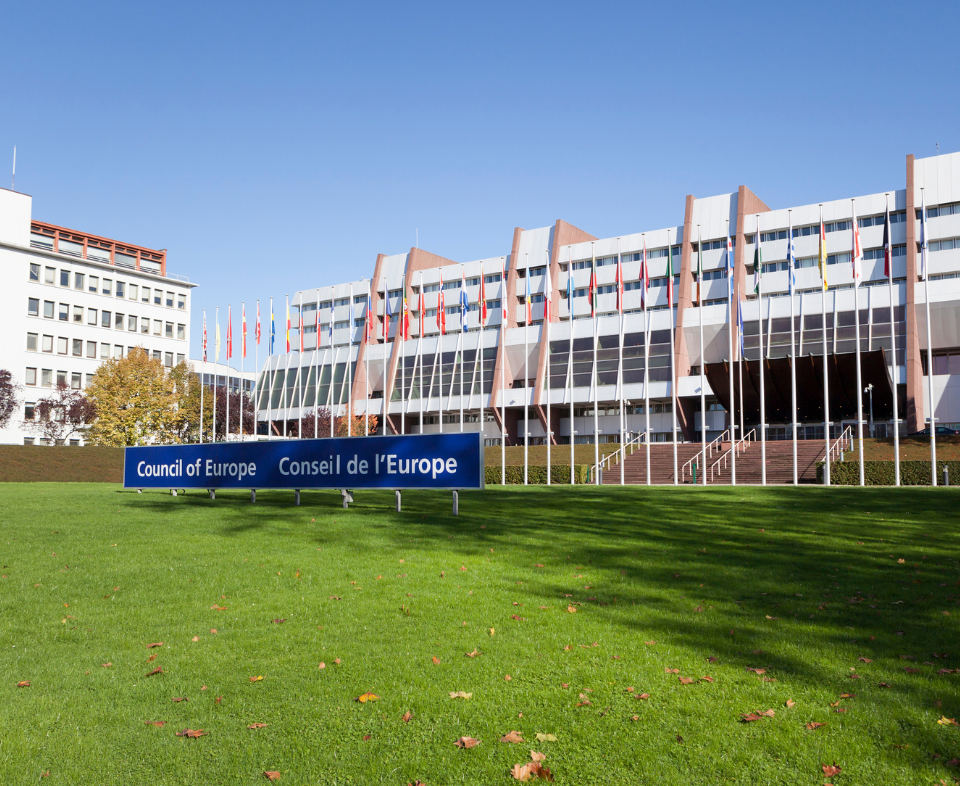
The Review places this institutional record alongside continuing engagement by the Council of Europe. Its Conference of INGOs has marked World NGO Day annually since 2019, bringing civil society leaders together around democracy, human rights, civic participation and solidarity.
Gerhard Ermischer, President of the Conference of INGOs of the Council of Europe, described the Day in the Global Review as more than an annual commemoration.
“World NGO Day is a perfect reminder to reach out of our bubble and to think globally,” Ermischer said. “The key values of the Council of Europe, Democracy, Human Rights and Rule of Law cannot sustain as a privilege for a minority but only as a reality for everyone. This is what the World NGO Day is all about, and it is a vision we share.”
When Recognition Becomes Action
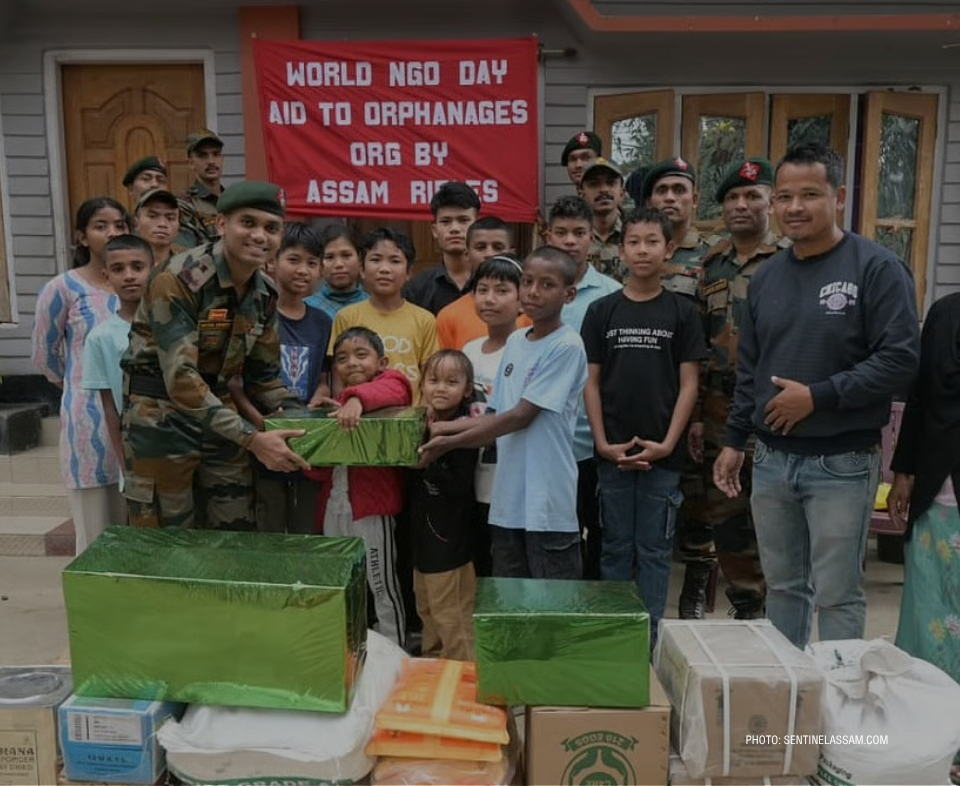
The Review also identifies evidence of governments and institutions using World NGO Day as a platform to highlight concrete support for civil society.
On February 27, 2026, South Africa’s Western Cape Department of Social Development announced R1.138 billion, approximately US$68 million, in transfer funding to 1,072 nonprofit organizations for the 2025/26 financial year. The Review identifies this as the largest government funding amount publicly attached to World NGO Day in the documented record.
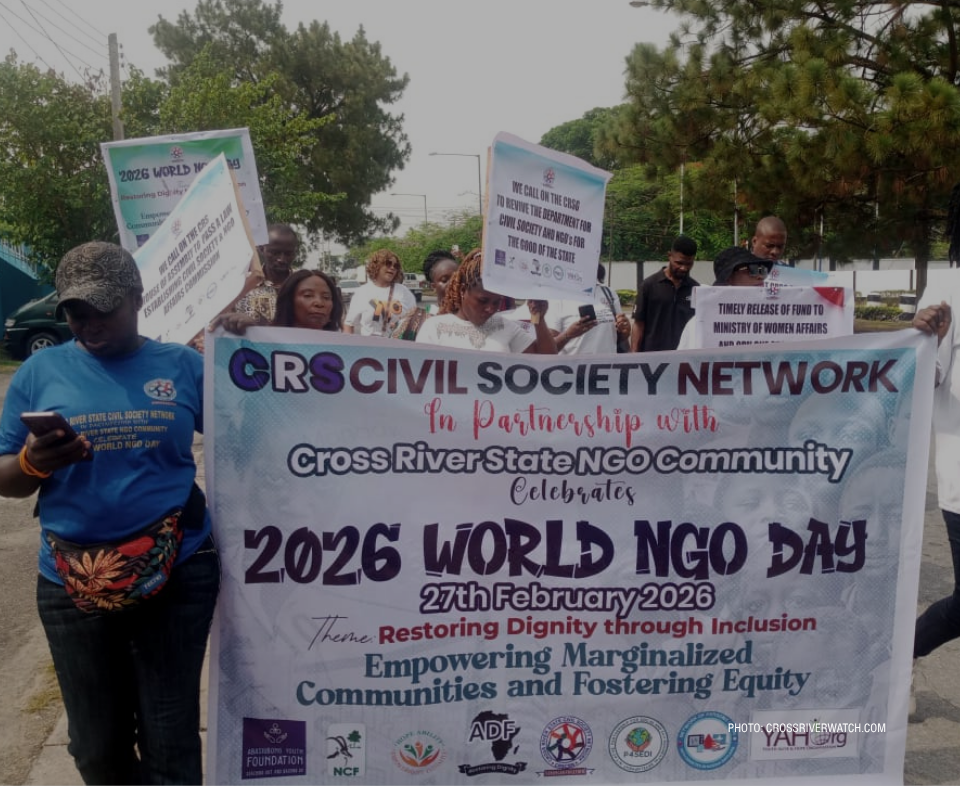
Across Africa, 23 national and regional NGO umbrella and support organizations from 19 countries published World NGO Day messages in 2025, up from 14 organizations the previous year, representing the fastest institutional growth documented in the Review.
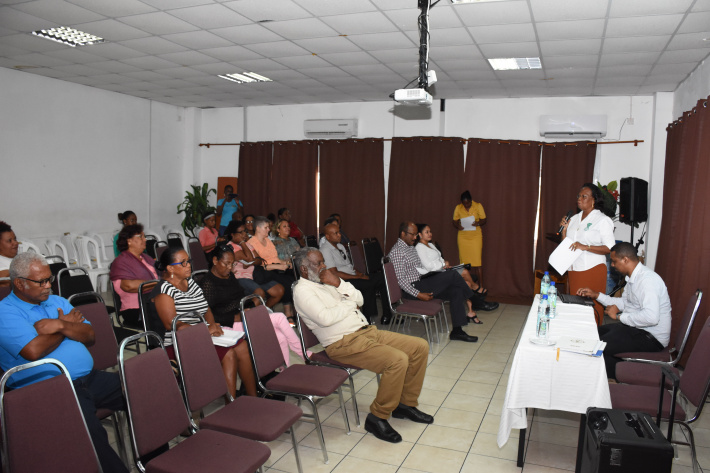
The Caribbean has also developed a growing regional tradition. In February 2026, an inaugural Caribbean CSO Conference and World NGO Day Celebration in Kingston, Jamaica, brought together 120 participants from 80 organizations across 12 countries.
A Global Day in Many Languages
Beyond counting countries and institutions, the Global Review examines how an international day becomes part of local public life.
World NGO Day now has documented names in more than 90 languages and scripts, demonstrating how February 27 has been adapted across different national and cultural contexts. From Latin, Cyrillic and Arabic scripts to languages across Africa, Asia, Europe and the Americas, the Day has developed a recognizable identity while taking on local forms.
The Review documents this development through a five-level framework distinguishing formal national recognition, government participation, institutional recognition and broader civil society observance. It also distinguishes documented evidence from assumptions, noting that the absence of a documented source should not be interpreted as proof that no observance exists.
A New Reference for World NGO Day
The World NGO Day Global Review, Volume I is designed not only as a historical record, but as a reference for governments, parliamentarians, NGOs, researchers, journalists, businesses and foundations.
Its chapters examine the global footprint of the Day, regional developments across Europe, Africa, Asia, the Americas and Oceania, intergovernmental recognition, official perspectives and practical pathways for governments and organizations seeking to recognize February 27. The publication also includes a research annex, evidence framework, consolidated references and a toolkit.
For Skadmanis, the publication represents an opportunity to establish a documented record of how the Day has developed over more than a decade.
“What started as a simple idea has become part of the public conversation in countries and communities that I could never have imagined reaching in 2010,” Skadmanis said. “This Review is not only about World NGO Day. It is about the millions of people who make civil society work every day, often without recognition. This is their record too.”
About the World NGO Day Global Review
World NGO Day Global Review, Volume I is the inaugural research publication of the World NGO Day Global Council. The 2026 edition documents World NGO Day across more than 140 countries and more than 90 languages and writing systems, drawing on thousands of governmental, institutional, media and archival sources.
World NGO Day Global Council
Editorial Team
Vinícius Taddone, COO